

IVF Treatment Istanbul Turkey; Cost, Process, High Success Rate
IVF Treatment Istanbul Turkey; It is a complex series of procedures that can lead to pregnancy. For most couples, it is infertility treatment, a condition in which you cannot get pregnant after at least a year of trying. IVF can also be used to prevent genetic problems from being passed on to a child. During IVF, mature eggs are collected from the ovaries and fertilised by sperm in a laboratory. A procedure is then performed to implant one or more of the fertilised eggs, called embryos, into the uterus where the babies develop.
A full IVF cycle takes about 2 to 3 weeks. Sometimes these steps are divided into different parts and the procedure may take longer. IVF is the most effective type of fertility treatment involving the transport of eggs or embryos and sperm. Together, this group of treatments is called assisted reproductive technology.
What is IVF?
Usually in IVF treatment, the woman is given medication (fertility hormones) to make the ovaries produce several eggs. The eggs are then collected and mixed with sperm in the laboratory.
When the sperm quality is considered ‘normal’, IVF Treatment Istanbul Turkey is performed. If there are problems with sperm quality, such as low motility or count, a procedure called intracytoplasmic sperm injection (ICSI) may be used instead; this is a procedure where a single sperm is injected into the egg by the embryologist.
If fertilisation is successful, the embryos are allowed to develop for between two and six days. This helps the embryologist to select the strongest embryo, which is then transferred back into the woman’s womb in the hope that a successful birth will follow.
Usually only a few good quality embryos are created. In these cases, it is usually best practice to freeze the remaining embryos, because putting two embryos back into the uterus increases your chances of having twins or triplets, which carries health risks. If your first cycle is unsuccessful or you want to try for another baby, you can use your frozen embryos later. (IVF Treatment Istanbul Turkey)
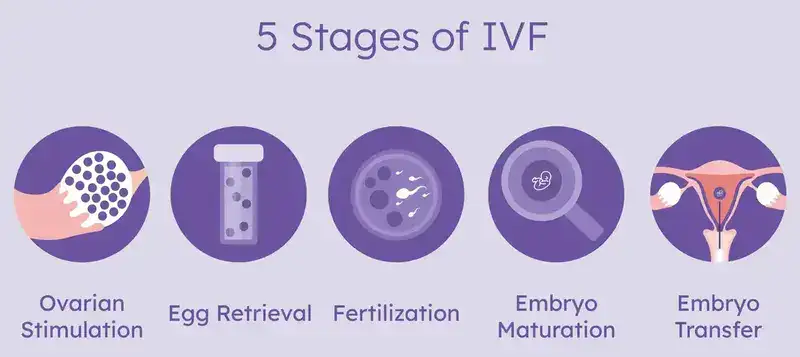
IVF Treatment Istanbul Turkey stages – IVF Treatment Istanbul Turkey;
Why is IVF preferred?
IVF Treatment Istanbul Turkey; IVF is a treatment for infertility or genetic problems. To treat infertility, you and your partner can try other treatment options that involve fewer or no procedures on the body. For example, fertility drugs can help the ovaries produce more eggs. And a process called intrauterine insemination places sperm directly into the uterus close to the time when the ovary releases an egg, called ovulation.
Sometimes, IVF treatment is offered as the main treatment for infertility in people over 40. It can also be done if you have certain health problems. For example, this treatment may be an option if you or your partner have; (IVF Treatment Istanbul Turkey)
- Uterine fibroids
Fibroids are tumours in the uterus. Most of the time they are not cancerous. They are common in people in their 30s and 40s. Fibroids can cause problems with the fertilised egg attaching to the lining of the uterus. - Ovulation disorders
If ovulation does not occur or does not occur frequently, there are fewer eggs that can be fertilised by sperm. - Endometriosis
This condition occurs when tissue that looks like the lining of the uterus grows outside the uterus. Endometriosis usually affects the ovaries, uterus and fallopian tubes. - Fallopian tube damage or blockage
Eggs move from the ovaries to the uterus through the fallopian tubes. If both tubes are damaged or blocked, this makes it difficult for an egg to fertilise or for an embryo to travel to the uterus. - Sperm problems
A low sperm count or unusual changes in their movement, size or shape can make it difficult for sperm to fertilise an egg. If medical tests find problems with the sperm, it may be necessary to see an infertility specialist to see if there are treatable problems or other health problems. - Unexplained infertility
This is when tests cannot find the cause of a person’s infertility. - Previous surgery to prevent pregnancy
An operation called tubal ligation involves cutting or blocking the fallopian tubes to prevent pregnancy altogether. If you want to get pregnant after tubal ligation, IVF can help. Reversing tubal ligation may be an option if you do not want or cannot have surgery. - Desire to preserve fertility due to cancer or other health problems
Cancer treatments such as radiation or chemotherapy can damage fertility. If you are about to start cancer treatment, IVF treatment (IVF Treatment Istanbul Turkey) may be a way to have a baby in the future. Eggs can be collected from your ovaries and frozen for later use. Or the eggs can be fertilised and frozen as embryos for future use. - A genetic disorder
If you or your partner are at risk of passing a genetic disorder to your child, our healthcare team may recommend a procedure involving IVF treatment (IVF Treatment Istanbul Turkey). This is called preimplantation genetic testing. After the eggs have been collected and fertilised, they are checked for certain genetic problems. However, not all of these disorders can be found. Embryos that do not appear to have a genetic problem can be implanted in the uterus.
What is the purpose of IVF Treatment Istanbul Turkey?
The main aim of IVF treatment is to help individuals or couples overcome infertility problems and conceive. IVF Treatment Istanbul Turkey involves fertilising an egg with sperm outside the body in a laboratory setting and then transferring the resulting embryo to the uterus. It can be used to address various causes of infertility, including damaged or blocked fallopian tubes, endometriosis, male factor infertility and even unexplained infertility.
By fertilising eggs in the laboratory, IVF Treatment Istanbul Turkey eliminates the need for the natural process of sperm meeting an egg in the fallopian tubes, which can be impaired by conditions such as blocked tubes or low sperm count.
It offers a higher pregnancy success rate than other fertility treatments, especially for people of advanced age or with serious fertility problems.
Can be adapted to address specific causes of infertility such as endometriosis, male factor issues or recurrent pregnancy loss.
It can also be used for fertility preservation, allowing individuals to freeze their eggs or sperm prior to medical treatments that may affect reproductive health.
It can be combined with genetic screening techniques such as PGS (Preimplantation Genetic Screening) and PGD (Preimplantation Genetic Diagnosis) to prevent couples from passing inherited genetic disorders to their children.
Who can benefit from IVF Treatment Istanbul Turkey?
Good candidates for IVF usually have infertility problems that naturally make conception difficult, such as blocked or damaged fallopian tubes, endometriosis or male factor infertility. In addition, women who have undergone preimplantation genetic testing (PGD) for advanced maternal age, unexplained infertility or genetic reasons can also benefit from IVF (IVF Treatment Istanbul Turkey).
Is there an age limit for IVF Treatment Istanbul Turkey?
Although in most places there is no strict legal age limit for IVF, many clinics recommend that a woman’s own eggs should not be used for IVF after the age of 45, and some do not recommend it at all after the age of 50. The success rate with one’s own eggs decreases significantly after this age. However, IVF with donor eggs may be an option for older women, and some clinics may offer IVF even to women older than 50, depending on individual circumstances and health conditions.
Factors Affecting Age Limits:
- Decreased fertility:
As women get older, the number and quality of their eggs decreases, resulting in a lower chance of becoming pregnant with their own eggs. - Increased risks:
Older women may face a higher risk of complications during pregnancy, such as miscarriage, premature birth and gestational diabetes. - Clinic policies:
Some clinics may have their own age limits or guidelines based on their experience and success rates with older patients. - Individual health:
A woman’s overall health and medical history play an important role in determining whether IVF is a suitable option, regardless of age. - IVF Treatment with Donor Eggs:
IVF Treatment with donor eggs may be an option for older women or women with low ovarian reserve, as it uses eggs from a younger donor and increases the chances of getting pregnant. - Over 45 age limit:
Many clinics offer IVF with donor eggs to women over 45 or 50, but it is important to discuss the risks and benefits with a fertility specialist.
In conclusion; IVF Treatment Istanbul Turkey; While there is no universal age limit, it is generally recommended that you consult with an IVF Specialist to discuss your options and understand the potential risks and benefits of IVF (IVF Treatment Istanbul Turkey), especially as you age.

IVF Treatment Istanbul Turkey age limit – IVF Treatment Istanbul Turkey
How long does the IVF process take?
IVF Treatment Istanbul Turkey; You will need several appointments and/or tests and investigations at our clinic before you start IVF Treatment Istanbul Turkey, so be prepared that it will take some time. It is not something to be taken lightly, so take time to think, ask questions and clarify what is involved and what to expect. IVF Treatment Istanbul Turkey is called a treatment ‘cycle’ as it involves a series of stages: suppression of natural hormone production, hormone therapy to increase egg supply, egg collection, mixing of eggs and sperm and finally embryo transfer. How long it takes depends on the proposed treatment.
For most people, an IVF Treatment Istanbul Turkey cycle will last between four and six weeks. However, for medical reasons some women will not have the first stage of treatment (which suppresses hormone production), which will reduce their treatment time to around three weeks. You can be sure that we will recommend the most appropriate treatment for you.
The IVF Treatment Istanbul Turkey process is unique for each individual and can vary depending on factors such as health conditions, fertility diagnosis, age and the specific protocols used. On average, a full IVF cycle takes approximately 4 to 6 weeks from the start of ovarian stimulation to embryo transfer, but this is an estimate. Each journey is individual and timelines may differ.
Although each cycle follows a general structure, no two experiences are exactly the same. To help provide a clearer picture of what to expect, below is a breakdown of the main steps involved in a typical IVF cycle and an estimated IVF Timeline for each stage.
Consultation and Testing with an IVF Specialist:
IVF Treatment Istanbul Turkey; The first step is to schedule a fertility consultation to discuss the IVF Treatment Istanbul Turkey process and the treatment plan for an individual case. This is when more specific questions about your unique experience will be raised. Usually the initial tests and waiting for results extends over the course of a month. The more you keep in touch with us will help determine what is needed for your journey to be as successful as possible.
Our clinic usually requests blood tests to check the ovarian reserve of female patients and to see if there are any abnormalities. Male patients also undergo blood tests and a semen evaluation is usually required before starting IVF Treatment Istanbul Turkey. These pre-cycle tests can be done at our clinic (IVF Treatment Istanbul Turkey).
- Possible tests that may be requested in female patients are as follows:
- AMH (Anti-Müllerian Hormone)
- AFC Ultrasound (Antral Follicle Count)
- Pap smear
- CBC (complete blood count)
- TSH (thyroid stimulating hormone) and Free T4
- Prolactin
- Varicella IgG Antibodies
- Measles IgG Antibodies
- Rubella IgG Antibodies
- Hepatitis B Core antibody
- Hepatitis B Surface antigen
- Hepatitis C antibody
- Antibody Screening
- Syphilis
- Cytomegalovirus (CMV) IgG/IgM
- AboRh Blood Group
- HIV 1/2
- Chlamydia
- Gonorrhoea
- Possible tests that may be ordered in male patients include
- Semen evaluation
- Hepatitis B Core antibody
- Hepatitis B Surface antigen
- Hepatitis C antibody
- Syphilis
- Cytomegalovirus (CMV) IgG/IgM
- AboRh Blood Group
- HIV ½
- HTLV-I/II Antibodies
- Gonorrhoea
Ovulation Induction:
Doç. Dr. Alper Şişmanoğlu, after reviewing all your pre-cycle lab results and ordering your fertility medications, you are now ready to begin the egg retrieval stimulation cycle. Ovulation induction is the process of stimulating the release of one or more eggs from your ovaries. Injections usually begin on the 2nd or 3rd day of your menstrual cycle. The average length of a stimulation cycle varies between 10-14 days, but each case can vary depending on how the patient’s body responds to the medications. This time frame begins when the patient begins the ovarian stimulation medication for the egg retrieval procedure. (IVF Treatment Istanbul Turkey)
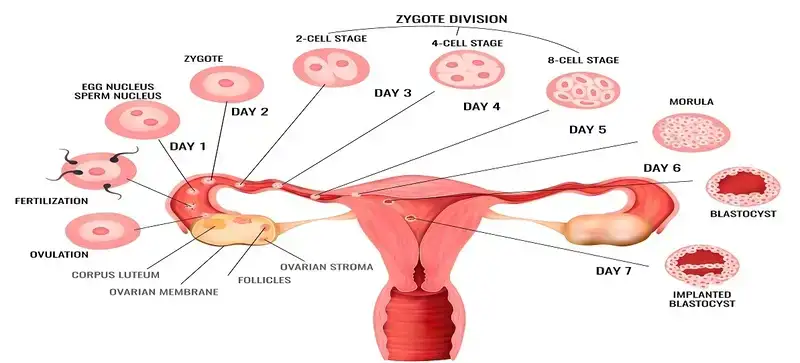
IVF Treatment Istanbul Turkey Ovulation Induction – IVF Treatment Istanbul Turkey
Egg Collection :
In IVF Treatment Istanbul Turkey, the egg retrieval procedure is performed under ‘general anaesthesia’ but without intubation. The patient will not feel any discomfort during the procedure and will wake up 10 to 15 minutes after the end of the procedure. Depending on the number of follicles present, the procedure will usually take 10 to 30 minutes. The procedure is performed under ultrasound guidance, similar to the vaginal ultrasound examination the patient undergoes during the stimulation cycle. A needle guide is attached to the ultrasound probe, a long needle is inserted through the guide and under direct visualisation each follicle is punctured and the fluid (together with the egg floating in it) is aspirated.
The fluid is then immediately sent to our IVF laboratory where embryologists search for eggs, isolate them and place them in incubators. After the egg retrieval is complete, the patient is taken to the recovery area where she will stay for about an hour. If necessary, painkillers can be administered at this time. Some discomfort is expected for a few hours after the procedure and the patient can take a painkiller that we will recommend if necessary. Occasionally, there may also be some nausea, which usually disappears within a few hours. (IVF Treatment Istanbul Turkey)
Fertilisation:
In conventional IVF Treatment Istanbul Turkey, after the eggs are collected from the ovaries, they are placed in a laboratory dish together with the sperm. The sperm floats around the eggs and eventually one of them penetrates the egg, leading to fertilisation. This process takes place over several hours to ensure that the eggs have the best chance of fertilising naturally.
Intracytoplasmic sperm injection (ICSI) is particularly useful for couples facing male infertility problems. In ICSI, a single sperm is injected directly into an egg using a thin needle. This method increases the likelihood of fertilisation, even with low sperm count or motility.
Embryo Freezing and Genetic Testing
The development of embryos is monitored during the 5-6 day laboratory period before embryo transfer or freezing.
- Fertilisation Check:
The day after the egg and sperm are combined, embryologists check whether fertilisation has taken place. - Early Development:
Over the next few days, the embryos begin to divide and grow. They are observed and graded according to their growth and quality. - Blastocyst Formation:
The embryos ideally reach the blastocyst stage on day 5 or 6, at which point they are ready for transfer or freezing.
Parents may choose to have preimplantation genetic testing at this time. *Keep in mind that this can add a few weeks to the timeline for getting results! This testing can be important for several reasons:
- Screening for Genetic Disorders:
PGD can detect certain genetic disorders and allows parents to select embryos free of these disorders. - Chromosomal Normality:
Reduces the risk of conditions such as Down syndrome by checking that the number of chromosomes is correct. - Sex Selection:
In some cases, parents may want to know the sex of the embryo.
Genetic testing provides peace of mind and ensures a healthier pregnancy and baby, but it does make the overall process a bit longer.
Embryo Transfer:
Embryo transfer is a simple procedure that usually takes about 10-15 minutes. During the procedure, the IVF specialist inserts the embryo into the uterus using a thin catheter. It is usually painless, but some may feel mild discomfort. Fresh Embryo Transfer takes place immediately after egg collection and fertilisation, usually around day 3 or 5 of embryo development. Frozen Embryo Transfer involves thawing a previously frozen embryo and transferring it into the uterus. It allows flexibility in timing and can be scheduled according to the recipient’s natural cycle or a hormone-prepared cycle.
Pregnancy Test and After:
The two-week wait following embryo transfer can be one of the most challenging parts of the fertility process. It is an emotional period filled with hope and anxiety while waiting for confirmation of pregnancy. During these two weeks, it is normal to experience a variety of emotions. After 14 days, you will undergo blood tests to get an accurate reading of the result. Whatever the results, IVF Specialist Doç. Dr. Alper Şişmanoğlu will continue to monitor your progress and provide support throughout your journey.
Tips to Increase Your Chances of Success in IVF Treatment
The desire to have children is a profound challenge of family life for couples faced with infertility. As a result, assisted reproductive technology, especially In Vitro Fertilisation (IVF Treatment Istanbul Turkey), has become a valuable tool in realising their dream of becoming parents. Proper lifestyle adjustment to prepare the body before and after the IVF procedure is effective in helping couples increase their chances of having a baby.
IVF Treatment Istanbul Turkey can be challenging both physically and emotionally, but there are steps you can take to prepare for the IVF journey and maximise your chances of a successful, healthy pregnancy. Those planning IVF are advised to prepare physically three months in advance for both expectant mothers and expectant fathers to produce healthy sperm with the full potential to fertilise the egg. Preparation before and after IVF is essential for a successful pregnancy. Changing your lifestyle can significantly increase your chances of having a successful pregnancy.
Here are some tips to increase the success of IVF Treatment (IVF Treatment Istanbul Turkey):
- Eating a healthy diet is beneficial
A healthy diet increases the chances of successful IVF by providing the nutrients, minerals and vitamins needed for healthy egg and sperm production. Those planning to get pregnant should increase the amount of these foods in their diet. - Foods that will nourish the eggs and uterus of the expectant mother and accelerate ovulation
Healthy, nutritious food helps nourish the eggs and uterus, accelerate ovulation, nourish the uterus and slow down egg degeneration. It helps maintain the health of eggs and healthy reproductive hormones, helping to protect cells and increase the chance of pregnancy. The following foods can increase IVF success rates:- Green leafy vegetables such as cabbage, spinach and broccoli.
- Potatoes, soya beans, soya milk and black sesame seeds
- Whole grains, brown rice, whole bread, pumpkin seeds and quinoa
- Legumes, soya beans, peas, kidney beans, broad beans, fava beans, wing beans, green beans and lentils
- Berries such as strawberries, raspberries, blueberries and blackberries
- eggs, milk and yoghurt
- banana, tomato
- salmon, sardines
- avocado, olive oil
- Avoid foods high in sugar or fat, processed or packaged foods; eat fresh foods instead
- Foods that can strengthen sperm for the father-to-be;
Foods that are beneficial for male reproductive health, support the production of mobile and strong sperm, increase sperm volume, provide more sperm ejaculation, stimulate sexual desire and allow you to have more sexual power are as follows:- Eggs
- Soya beans, red beans, broad beans, walnuts and pumpkin seeds
- Tomatoes, garlic, oysters and beef
- Banana, pomegranate
- Berries such as strawberries, raspberries, blueberries and blackberries
- Chocolate
- Weight control and regular exercise
Being overweight or having a low BMI is not conducive to fertility. To prepare for a healthy pregnancy, doctors recommend that you maintain a healthy weight by keeping your Body Mass Index (BMI) in the normal range. In general, a healthy BMI is less than 23.0 kg/m2. A body weight in the healthy BMI range can be achieved through diet and exercise. Doctors usually recommend walking and yoga before and during pregnancy, but you should avoid strenuous activities. Please consult your doctor for an individualised BMI value. (IVF Treatment Istanbul Turkey)

IVF Treatment Istanbul Turkey BMI – IVF Treatment Istanbul Turkey
- Get enough sleep
Sleep helps rejuvenate organs and various metabolic processes in the body; therefore, doctors recommend that infertility sufferers sleep at least 7-8 hours a night, do not eat for 2-3 hours, and do not consume caffeine at least 4-6 hours before bedtime to increase the chances of getting pregnant and the IVF procedure being successful. - Avoid smoking and alcohol consumption.
Smoking and consuming large amounts of alcohol reduce the success of IVF, reduce sperm quality, reduce fertility, damage sperm DNA, reduce the chances of successful uterine embryo implantation and counteract the effectiveness of reproductive tonics. - Limit caffeine consumption
Doctors recommend limiting caffeine consumption to 1-2 cups a day. Caffeine consumption can reduce your chances of having a successful pregnancy by up to 50 per cent. - Taking folic acid and vitamin D supplements
Folic acid is an essential nutrient; doctors recommend folic acid supplementation three months before conception and during pregnancy. Folic acid supports embryonic health, prevents brain damage and abnormalities in the foetal spine, helps pregnancy and increases the success of IVF treatment.
Vitamin D is a vitamin supplement that can help pregnancy. Doctors often prescribe vitamin D after clinical assessment to support pregnancy because many potential mothers have vitamin D deficiency, which reduces their chances of a successful pregnancy. However, taking vitamin D or other supplements should be done under the supervision of a doctor because some supplements may interact with fertility medicines. - Sperm enhancement
Sperm quality and strength are important factors in the success of IVF treatment. Therefore, the doctor advises the father to strengthen his sperm before starting the IVF Treatment cycle, for example by maintaining a healthy Body Mass Index, exercising regularly, avoiding smoking and alcohol, getting enough sleep, avoiding hot tubs, soaking in onsen or saunas or putting the laptop or notebook on his lap and temporarily avoiding cycling.
Doctors also recommend drinking plenty of water (at least 2 litres a day) and taking vitamins and supplements such as A, B12, C, E, selenium and zinc to keep the sperm healthy, strong and ready to fertilise the egg. (IVF Treatment Istanbul Turkey)
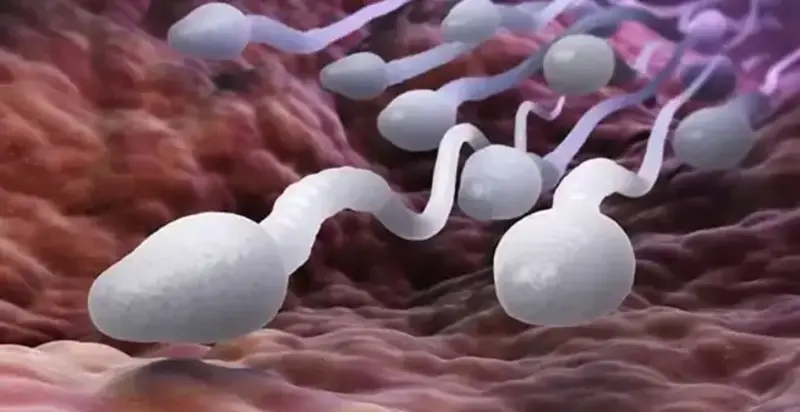
IVF Treatment Istanbul Turkey Sperm Development – IVF Treatment Istanbul Turkey
- Sexual intercourse should be avoided for 3-4 days before sperm collection.
The doctor recommends that the expectant father refrain from sexual intercourse, masturbation or ejaculation for 3-4 days before the sperm collection, so that sufficient sperm volume is available for the selection process and the best, most intact and highest quality sperm is obtained. - Reduce stress and think positively.
Infertility causes stress in childless couples. Many of them may have to go through multiple rounds of IVF, which can also cause stress. As a result, the doctor advises them to think positively, encourage each other, relax their minds and engage in activities that help their bodies release endorphins, the endogenous feel-good chemical. Also, in the next round of IVF, the doctor will adjust medications and prescribe supplements to help increase the chances of a successful pregnancy. - Avoid exposure to chemicals and heavy metals.
Doctors advise those preparing for IVF treatment to avoid chemicals or heavy metals in everyday use items such as food packaging containing BPA or phenol, soaps containing parabens, and kitchenware stain repellents such as perfluorinated substances. - Experienced IVF Specialist and state of the art clinic
In addition to lifestyle changes for a successful pregnancy, as an IVF Specialist Doç. Dr. Alper Sismanoglu with 20 years of experience who has proven himself in IVF, with a clinic equipped with state-of-the-art assisted reproductive technology, I am always with you for couples who have infertility problems and want to have a baby to fulfil their dream of a complete family consisting of father, mother and child, the golden chain that connects their souls. (IVF Treatment Istanbul Turkey)
Managing Stress Before and During IVF Procedure
In addition to steps you can take to physically prepare for IVF Treatment Istanbul Turkey, we also recommend the following to reduce your stress and anxiety levels before and during your IVF Treatment Istanbul Turkey journey. Meditation, journaling and attending an infertility support group are healthy outlets for managing the stress that comes with fertility treatments.
Many of our patients turn to holistic and complementary techniques and therapies such as yoga and acupuncture to reduce anxiety and stress and increase their chances of having a successful IVF cycle.
- Yoga and Fertility Treatment
Yoga is increasingly recommended to people trying to conceive as it helps to reduce the stress that can accompany fertility problems and its many therapeutic benefits can improve fertility. The benefits of yoga for IVF treatment are:- Increased blood flow to the reproductive organs
- Reduced tension in the hips and pelvis
- Reduced stress – this can also help reduce cortisol levels
- Better endocrine function and hormonal balance
- General toning and muscle strengthening
- Reduce discomfort associated with IVF cycles
- Greater peace of mind and ability to relax
Educate yourself about the IVF process
Some of the fear and anxiety that comes with IVF is due to uncertainty about the treatment process and possible side effects. Before starting IVF, a sensible solution would be to consult an IVF Specialist to help you understand the steps of the various steps that take place during IVF.
We understand that fertility treatment can be a complex process, so don’t be afraid to ask for help. If you have any questions about the IVF Treatment Istanbul Turkey process or would like to start your IVF journey, please contact Doç. Dr. Alper Şişmanoğlu today.
How Much Does IVF Treatment Istanbul Turkey Cost?
On average, the cost of an in vitro fertilisation (IVF Treatment Istanbul Turkey) cycle, including procedures performed in the clinic and blood tests, fertility medications and genetic testing for embryos, can vary depending on the individual. IVF costs vary depending on what is included in your treatment plan, the fertility centre or clinic you choose, the medications you need and other factors.
Coverage for IVF treatment varies greatly depending on your health insurance plan. While many insurance companies offer maternity benefits, fertility treatments such as IVF Treatment Istanbul Turkey are often not included in standard coverage. We recommend that you check with your health insurance provider to understand what is covered under your specific plan. (IVF Treatment Istanbul Turkey)
What is included in IVF Treatment Istanbul Turkey prices?
IVF Treatment Istanbul Turkey; Excluding medications and genetic testing for embryos, the cost of an average IVF cycle in Turkey is quite affordable compared to other countries. This price usually includes:
- Online Consultation (We offer this service for FREE)
You can get medical consultancy service and get detailed information about the process by meeting with your IVF Specialist Doç. Dr. Alper Şişmanoğlu via video call or phone call via the internet. - Facility fee:
This covers the fertility centre or clinic fees for the work of medical specialists and laboratory services. - Laboratory studies and imaging:
This includes monitoring and clinic visits during the ovarian stimulation phase, when hormone medication (a separate cost) is administered to stimulate your ovaries to produce eggs. - Anaesthesia:
Required to reduce pain while eggs are collected from your ovaries. - Egg retrieval:
This is the procedure to extract eggs from your ovaries. If you are using fresh sperm, this stage of the IVF process may also involve sperm collection. - Embryo creation:
In this egg fertilisation process, sperm is added to the eggs in a laboratory setting. - Embryo transfer:
One or more embryos are implanted into the uterus.
In addition, you will need prescription fertility drugs for several steps in the process and genetic tests for the embryos. Most of your medication costs will be covered during the ovarian stimulation phase.
Does insurance cover IVF treatment?
Insurance coverage generally does not apply to IVF. Insurance companies may cover some fertility testing and evaluations, but it is rare for insurance coverage to apply to the cost of IVF treatment. Although most insurance plans do not cover IVF, some parts of the procedure (such as monitoring or medications) may be fully or partially covered. Our finance department can help you navigate your insurance policy and find some coverage for the infertility services you need.
Advantages of IVF treatment in Turkey
IVF Treatment Istanbul Turkey offers several advantages, including affordability, high success rates, advanced technology, and experienced specialists, all while allowing patients to combine their treatment with a cultural and tourist experience. Additionally, Turkey offers privacy and confidentiality, making it a discreet choice for couples seeking fertility treatment. (IVF Treatment Istanbul Turkey)
Here’s a more detailed look at the benefits:
1. Cost-Effectiveness: IVF in Turkey is significantly more affordable than in many Western countries, such as the US, UK, or Australia. This cost-effectiveness can allow couples to undergo multiple IVF cycles, increasing their chances of success.
2. High Success Rates: Turkey boasts high success rates in IVF treatment, often exceeding those in other regions. This can be attributed to the advanced technology, experienced specialists, and adherence to international standards and protocols in Turkish fertility clinics.
3. Advanced Technology and Expertise: Turkish fertility clinics are equipped with state-of-the-art technology and staffed by highly skilled and experienced fertility specialists. This expertise and technology contribute to the higher success rates and the quality of care.
4. Cultural and Tourist Experience: Turkey offers a rich cultural experience and beautiful tourist attractions, allowing couples to combine their IVF journey with a memorable holiday.
When and how is pregnancy confirmed in IVF treatment?
In IVF treatment, pregnancy is usually confirmed by a blood test measuring hCG levels about 10-14 days after embryo transfer. If the first test is positive, a follow-up test can be scheduled to confirm rising hCG levels, indicating a healthy pregnancy. An ultrasound is then performed around the third or fourth week after the transfer to visualise the gestational sac and then the fetal heartbeat, providing definitive confirmation. (IVF Treatment Istanbul Turkey)
When can a pregnancy test be performed after IVF?
Implantation bleeding is often confused with menstruation. In contrast to the bright red colour of menstrual blood, implantation bleeding may appear pinkish or dark brown. After implantation, the bleeding lasts for a few hours or days and is not heavy. While menstruation normally starts 14 days after ovulation (in a 28-day menstrual cycle), implantation bleeding can occur within 6-10 days. Therefore, you should wait at least 6 to 10 days after the implantation bleeding to take a pregnancy test.
After a week or two, you can do the test with the following two methods:
- Blood test:
A blood-based hCG test is usually more reliable than a home pregnancy test. You may receive a positive pregnancy test result 6 to 8 days after conception. - Urine test:
A urine-based pregnancy test can be used at home to detect hCG levels, but it is best to wait at least 12-14 days after ovulation for reliable results. If you get a negative result, it is recommended to try again after a few days.
Solution
It is important to be patient for the most accurate test results. Blood tests are usually the most reliable method for early pregnancy detection, and positive results can be obtained even 6 days after the transfer. Home urine tests can also be used, but waiting at least 12-14 days after ovulation increases the accuracy. If your test is positive, you can go to the doctor and have it confirmed with a blood test. (IVF Treatment Istanbul Turkey)
What are the risks and possible complications of IVF treatment?
Fertility treatments are generally very safe – most women are no more likely to have problems with their health or pregnancy than women who conceive naturally. However, there are some risks to be aware of, ranging from mild discomfort to more serious conditions. Know all the risks and what you need to pay attention to for a safe and healthy pregnancy.
- Bleeding during the egg collection process
Most bleeding is controlled by simple pressure and resolved without the need for further intervention. This bleeding is usually caused by a puncture of a blood vessel (the impact of a needle on the vaginal wall during egg collection). Similar to drawing blood, if no pressure is applied to the wound, you will show signs of bleeding for several minutes.
***It is rare for internal bleeding to develop due to perforation of the ovaries. The risk is always there, but severe bleeding occurs only once every 3,000 intakes. - Ovarian hyperstimulation syndrome (OHSS)
OHSS is a condition caused by the production of more than one egg with injectable fertility drugs such as HCG. Some of the symptoms are bloating, abdominal pain, nausea and weight gain. There are various levels of OHSS, at which mild symptoms resolve within two to three days, and more severe symptoms may require Decanting of accumulated fluid (acid) from the abdomen and occasional hospitalization. OHSS symptoms usually last for a week.
***The incidence of mild OHSS is observed in about 10% of cases and severe OHSS is observed in less than 1%. - Ovarian torsion
This is a rare but serious side effect. Ovarian torsion occurs when the ovary or fallopian tube revolves around its supporting tissue, cutting off the blood supply to the ovary. This condition occurs when there is ovarian instability. Masses in the ovary, for example, make the organ disproportionate and vulnerable to torsion. If this happens, urgent surgical intervention is required to correct it. If treated immediately and appropriately, the chances of a full recovery are high. The symptoms of ovarian torsion appear very suddenly, with severe pain, nausea or a feeling of vomiting.
***O variance torsion occurs every 6,000 purchases. - Infections
Infections can occur in places where there is a risk of introducing pathogens or bacteria. This may occur during the procedure in which the needle is inserted. There are several ways to combat this. An example is to provide you or your partner with prophylactic antibiotics during egg collection to prevent such infections.
***Severe pelvic infection occurs every 6,000 intakes. - Ectopic Pregnancy
An ectopic pregnancy occurs when the embryo grows outside the uterus (usually in the fallopian tubes). This is caused by a misshapen or inflamed fallopian tube. If you experience this risk, immediate medical intervention is required to prevent life-threatening symptoms.
***IN IVF treatment, ectopic pregnancy is twice as common as natural conception and occurs at a rate of 5%.
IVF Success Rates by Age?
Women under 35 have the most success, but women between the ages of 35 and 37 also have a 40.5% success rate. Women between the ages of 38 and 40 have a lower success rate of 26.4%, and women over 40 have the lowest success rate of 8.2%, according to CDC data.
Factors Affecting the Success of IVF Treatment
The chances of conception through the IVF procedure are higher if the patient/patients have had a successful pregnancy in the past. If the woman has a fertility problem, such as fibroid tumors or uterine abnormalities, IVF may be less likely to work. There are also lifestyle issues that will negatively affect the success rate of IVF, especially smoking. In addition, vaping, alcohol/drug use, and a high body mass October can negatively affect pregnancy success.
Because there is a significant relationship between a woman’s age and the likelihood of a successful IVF treatment. Dec. It is likely that this trend is probably due to several biological factors, among which are Dec:
-
Decreased egg quality:
As a woman gets older, her ovarian reserve decreases, and the quality of her eggs may decrease. This can reduce the chances of fertilization and implantation. -
Increased risk of chromosomal abnormalities:
Older eggs are more prone to genetic errors that can lead to miscarriage or the birth of children with chromosomal disorders. -
Uterine changes:
As a woman progresses in age, the inner layer of the uterus in which the embryo settles may become thinner and the ability to hold on to the uterus may decrease. -
Hormonal imbalances:
Hormonal fluctuations can affect the fertility process, especially when a woman approaches menopause.
Despite these difficulties, many women over the age of 35 successfully conceive through IVF. However, success rates are generally lower compared to young women. It is important for individuals considering IVF to discuss their age and other relevant factors with their healthcare provider so that they can make informed decisions about their fertility journey.
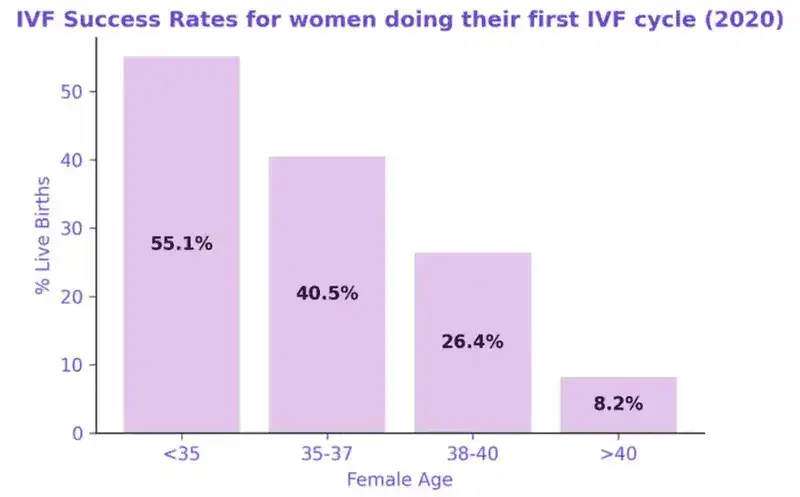
IVF Treatment Istanbul Turkey success rates – IVF Treatment Istanbul Turkey
Airport & Hotel Transfers and Accommodation for IVF Treatment Istanbul Turkey
When you want to get this service in our country, we will do our best for your comfort and peace of mind with all our possibilities. You can make your welcome, accommodation and transfer transactions with peace of mind by the “Health Tourism Certified A-Class Travel Agency” that we have contracted with.
For detailed information about this, please contact us. Detailed information will be provided to you. >>> Contact
You can Review >>> Frequently Asked Questions About IVF
You can contact for detailed information:
Instagram : dralpersismanoglu Facebook : OpDrAlperSismanoglu
IVF Treatment Istanbul Turkey; Cost, Process, High Success Rate, IVF Treatment, IVF, Infertility Treatment,
IVF Treatment Istanbul Turkey
Contact WhatsApp