



Menopause: Age, Stages, Symptoms, Treatment, Side Effects
Menopause is the point at which a person has not had a period for 12 months. Menopause is a natural part of aging and marks the end of your reproductive years. Menopause occurs on average at age 52.
What is Menopause?
Menopause is a point at which you have not had a period for 12 months. On average, it occurs at the age of 52. It is a natural process that happens when your ovaries stop producing reproductive hormones. When menopause occurs due to surgery or medical treatment, it is called induced menopause. Hormonal changes due to menopause can cause uncomfortable physical and emotional symptoms. Treatments are available to help with menopausal symptoms, such as hormone therapy, medication or lifestyle adjustments.
What are the three stages of menopause?
Menopause is the permanent cessation of menstruation. If it does not occur due to any medical treatment or surgical intervention, the process is gradual and takes place in three stages:
- Perimenopause or “menopausal transition : ” Perimenopause can begin eight to 10 years before menopause, when your ovaries begin to produce less and less oestrogen. It usually starts when you are in your 40s. You can stay in perimenopause for several months or several years. Many people begin to feel symptoms of perimenopause, such as irregular periods, hot flushes and mood swings.
- Menopause : Menopause is the point at which you no longer menstruate. At this stage, your ovaries stop releasing eggs and your body does not produce as much estrogen. A health care provider diagnoses menopause when you have not had a period for 12 months. Unlike the other stages, menopause itself is a defined moment, so you do not stay in this stage.
- Postmenopause: This is the time after menopause. You remain in postmenopause for the rest of your life. While most symptoms of menopause subside in postmenopause, you may continue to experience mild menopausal symptoms for several years in postmenopause. People in the postmenopausal phase are at increased risk of osteoporosis and heart disease due to low estrogen levels.
What is Early Menopause?
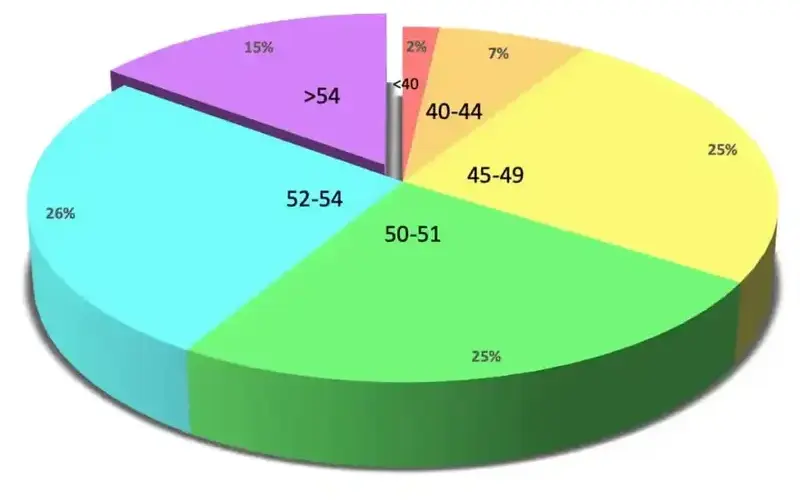
Menopause is considered ‘natural’ when it occurs between the ages of 45 and 55 and is a normal part of ageing. Menopause that occurs before the age of 45 is called early menopause. Menopause that occurs at age 40 or earlier is called early menopause. When there is no medical or surgical reason for early menopause, it is called primary ovarian failure.
What is the average age of menopause?
The average age of menopause in Earth is 52 years. However, the transition to menopause usually starts in the mid-40s.
How long does menopause last?
Menopause is a time point, so you do not stay in menopause. You reach menopause when you have not had a period for one year. Immediately after you reach menopause, you go into postmenopause. This phase lasts for the rest of your life.
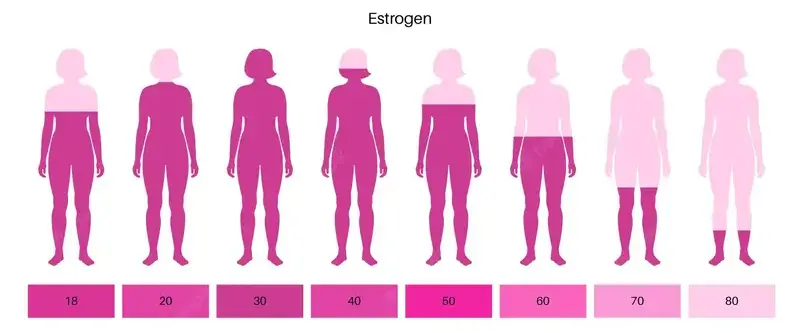
Menopause Age
What are the Symptoms of Menopause?
If you start to experience some or all of the following symptoms, you may be going through menopause:
- Irregular periods or periods that are heavier or lighter than usual
- Hot flushes, also known as vasomotor symptoms (a sudden feeling of warmth that spreads throughout your body)
- Night sweats and/or cold flashes
- Vaginal dryness that causes discomfort during sexual intercourse
- Urinary urgency (the need to urinate more often)
- Difficulty sleeping (insomnia)
- Emotional changes (irritability, mood swings or depression)
- Dry skin, dry eyes or dry mouth
- Worsening of premenstrual syndrome (PMS)
- Breast tenderness
Some people may also experience
- Fast beating heart
- Headaches
- Joint and muscle aches and pains
- Changes in libido (sexual desire)
- Difficulty concentrating or memory loss (usually temporary)
- Weight gain
- Hair loss or thinning
Changes in your hormone levels cause these symptoms. Some people have intense symptoms of menopause, while others have mild symptoms. Not everyone experiences the same symptoms during the transition to menopause. If you are not sure whether your symptoms are related to menopause or to another health problem, consult a doctor.
How long do menopause symptoms last?
Menopausal symptoms can last up to 10 years before they officially appear. The average length of menopausal symptoms is about seven years. Most women say that by the time they reach the post-menopausal period, their symptoms have eased or disappeared completely.
What makes menopause symptoms worse?
It depends on your symptoms. For example, if hot flushes and sweating are your main symptoms, you may want to stay away from hot environments or stop eating spicy foods. If you have symptoms such as anxiety or insomnia, you may find that relaxing activities such as yoga or bedtime reading calm your mind and lead to more restful sleep. Some women find that keeping a diary of symptoms helps them identify why their symptoms are getting worse. You can then take steps to avoid certain activities that worsen your menopausal symptoms.
How do I know if I am going through the menopause?
When you have not had your period for 12 months, you know that you are going through the menopause. If you have any vaginal bleeding after the menopause, contact your health professional. Vaginal bleeding after menopause may be a sign of a more serious health problem.
Why does menopause occur?
When menopause occurs spontaneously (natural menopause), it is a normal part of ageing. Menopause is defined as a full year without menstruation in the absence of any surgical intervention or medical condition (such as hormonal contraception, chemotherapy or radiation therapy) that could cause bleeding to stop. If your surgeon removes both ovaries, surgical removal of your ovaries will result in menopause.
As you get older, your reproductive cycle starts to slow down and prepares to stop. This cycle has been running continuously since puberty. As menopause approaches, your ovaries produce less estrogen. When this decrease occurs, your menstrual cycle (your period) starts to change. It may become irregular and then stop. Physical changes may also occur as your body adjusts to different hormone levels. The symptoms you experience at each stage of menopause are part of your body adjusting to these changes.
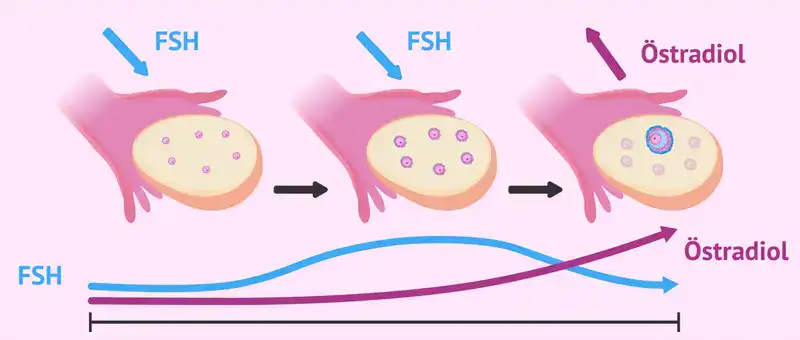
Menopause FSH
What hormonal changes occur during the menopause?
The traditional changes we think of as ‘menopause’ occur when your ovaries no longer produce high levels of hormones. Your ovaries produce the hormones oestrogen and progesterone. Estrogen and progesterone together control menstrual bleeding. Estrogen also affects how your body uses calcium and how it maintains cholesterol levels in your blood.
As menopause approaches, your ovaries no longer release eggs and you have your last menstrual cycle.
How is menopause diagnosed?
There are several ways your health care professional can diagnose menopause. The first is to discuss your menstrual cycle over the last year. Menopause is unique in that your health professional diagnoses it after it has occurred. If you have gone a full year (12 months) without a period, you have gone through menopause and are in the postmenopausal period.
Blood tests that check certain hormone levels can show that you are going through menopause. However, a blood test is usually not necessary. In some cases, blood tests can be misleading because many hormonal fluctuations occur during the perimenopausal phase. If your doctor suspects that an underlying health condition may be causing your symptoms, he or she may want to check hormone levels.
What are the treatments for menopause?
Menopause is a natural process that your body goes through. In some cases, you may not need any treatment for it. When discussing menopause treatment with your healthcare professional, it is about treating the menopause symptoms that are disrupting your life. There are many different types of treatment to manage the symptoms of menopause. The main types are:
- Hormone therapy (HT). This is the term for hormones given to people who go through menopause at a natural age (after 45 years).
- Hormone replacement therapy (HRT). The word replacement is added when hormones are used to treat menopause that occurs at a young age, especially before the age of 40.
- Non-hormonal treatments.
It is important to talk with your provider to create a treatment plan that works for you while you are going through menopause. Each person is different and has unique needs. People who experience menopause before age 40 should be offered hormone replacement therapy, except in rare circumstances (such as a history of breast cancer at a young age).
What is hormone therapy for menopause?
During menopause, your body goes through major hormonal changes – the amount of hormones it produces decreases. When your ovaries no longer produce enough oestrogen and progesterone, hormone therapy can make up for the lost hormones. Hormone therapy raises your hormone levels and can help with symptoms such as hot flushes and vaginal dryness. It can also help prevent osteoporosis.
There are two main types of hormone therapy:
- Estrogen therapy (ET): In this treatment, you take estrogen alone. Your health care professional prescribes a low dose. Estrogen comes in many forms, such as patch, pill, cream, vaginal ring, gel or spray. Estrogen therapy alone (without a progestogen) cannot be used if you still have a uterus.
- Estrogen progestogen therapy (EPT): This treatment is also called combination therapy because it uses doses of a hormone similar to estrogen and progesterone. Progesterone is also available in its natural form or as progestin (a synthetic form of progesterone). Progestogen is a generic name for treatments that can include both natural progesterone and synthetic progestins. This type of hormone therapy is for people who still have a uterus.
Hormone therapy has risks. Talk to your provider about the risks and benefits depending on your health history, age, and other factors, and whether hormone therapy is an option for you.
What are non-hormonal treatments for menopause?
Although hormone therapy is an effective way to relieve menopausal symptoms, it is not a perfect treatment for everyone. Non-hormonal treatments include things like lifestyle changes and non-hormonal medications. These treatments are often good options for women who have medical reasons for avoiding estrogen, including a personal history of blood clots or receiving breast cancer treatment. Some of the non-hormonal treatments your health professional may recommend include
- Changing what you eat
- Avoiding triggers for hot flushes
- Getting regular physical activity or exercise
- Joining support groups
- Prescription medicines
- Cognitive behavioural therapy (CBT)
- Hypnotherapy
Change what you eat and drink
Sometimes changing what you eat can help relieve menopausal symptoms. Limiting the amount of caffeine you consume daily and reducing spicy foods can make your hot flushes less severe. You can also eat more foods that contain phytoestrogens (nutrients that have estrogen-like properties in the human body). These are the foods you can try:
- Soya beans
- Chickpeas
- Lentils
- Flax seeds
- Cereals
- Beans
- Fruits
- Vegetables
Menopause Age
Avoiding triggers of hot flushes
Some things in your daily life can trigger hot flushes. Try to identify these triggers and work around them to help relieve your symptoms. This could be keeping your bedroom cool at night, dressing in layers, or quitting smoking. Maintaining a healthy weight for you can also help with hot flushes.
Exercise
Exercise can be difficult if you’re dealing with hot flushes, but regular physical activity can help relieve many other symptoms of menopause. Any type of physical activity is good for you, even working in the garden or doing laps in the pool. Calm, serene forms of movement, such as yoga, can also help your mood and relieve anxiety.
Joining support groups
Talking to other women going through the menopause can be a great relief for many people. Joining a support group can provide an outlet for many of the emotions that are running through your head and can even help you find answers to questions you may not even realise you have. Be careful about joining groups that are not led by a menopause specialist.
What is the best thing to do for the menopause?
Everyone experiences the menopause differently. Because it is so unique, there is no best thing you can do for it. There are many different approaches to treating the uncomfortable symptoms of menopause. What works for you may not work for your sister or best friend. Talk to your health care professional about your symptoms and let them suggest what the best option is for your situation.
What are the health risks of menopause?
After menopause, you have a higher risk of developing conditions such as osteoporosis and cardiovascular disease. This is mainly due to low levels of oestrogen. Your health professional may want to monitor your health closely to make sure that your risk levels for these conditions are not too high. They may even recommend treatment if needed.
- Osteoporosis
Osteoporosis occurs when the inner parts of your bones become less dense, making them more brittle and more prone to fracture. Estrogen plays an important role in maintaining bone mass. Estrogen signals the cells in the bones to stop breaking down. On average, you lose 25 per cent of your bone mass from menopause to the age of 60. This is largely due to the loss of oestrogen. Your health care professional may want to test the strength of your bones over time. A bone mineral density test, also called bone densitometry, is a quick way to see how much calcium is in certain parts of your bones. - Cardiovascular diseases
After menopause, your risk of cardiovascular disease tends to increase for several reasons, some of which include- Loss of oestrogen
- Increased blood pressure
- certain lifestyle habits, such as smoking, drinking alcohol or eating unhealthy foods (if these habits apply to you)
- Decreased physical activity, which can lead to high cholesterol and other conditions depending on your activity level after menopause
When should I see a doctor?
If the symptoms of menopause bother you and affect your quality of life, contact your healthcare professional. Most women begin the transition to menopause with mild symptoms, such as irregular periods or changes in typical menstrual cycles. However, symptoms can become severe and interfere with your daily life. Your health care professional can recommend treatments to help relieve your symptoms. Irregular vaginal bleeding can sometimes be a sign of other health problems. Your healthcare professional may want to make sure that menopause is causing your symptoms. If you have any of the following symptoms, you should contact your health care professional as a precaution:
- Your periods are much heavier than usual.
- Several large blood clots (larger than a quarter) pass.
- Your period lasts longer than seven days.
- The interval between your periods is less than 21 days.
- You do not have your period before the age of 45.
- You have bleeding or spotting between your periods.
- You bleed after sexual intercourse.
Which questions should I ask the doctor?
- How do I know if I am going through menopause?
- Which treatments can help with my symptoms?
- Is hormone therapy an option for me?
- How long should I expect my symptoms to last?
- Do you recommend any changes in your lifestyle?
- How do I know that this is menopause and not something else?
Can I get pregnant during menopause?
Yes. Until you are sure that menopause is complete, it is possible to become pregnant. If you do not want to get pregnant, continue to use some form of contraception until you are sure that you have gone through menopause.
Does menopause affect sleep?
Yes, you may have trouble sleeping during menopause. This may be a normal side effect of menopause, or it may be due to another symptom of menopause. Hot flushes are a common culprit of sleepless nights during menopause.
Does menopause affect my sex life?
Yes, it can. Your decreasing hormone levels can affect how pleasurable sex is for you. Symptoms such as vaginal dryness can make sex painful or uncomfortable. Not all women experience a decrease in sexual desire. In some cases, the opposite happens. This may be because there is no longer the fear of getting pregnant as there was before the menopause. For many, this allows them to enjoy sex without worrying about family planning. Don’t be afraid to talk to your health professional about your sexual desire or how sex feels. Your health professional will discuss options with you to help you feel better.
Does menopause cause weight gain?
It can. Hormone changes can affect your weight. For example, you may start to lose muscle as you get older, which can affect the way your body gains weight.
Can emotional changes occur during the menopause?
Menopause can cause various emotional changes, including
- Lack of motivation and difficulty concentrating
- Anxiety, depression, mood changes and tension
- Aggression and irritability
These emotional changes can also occur outside the menopause. You have probably experienced some of these throughout your life. Your health professional may prescribe medication to help you. It may also help to know that the feelings you are experiencing have a name. Support groups and counselling are useful tools when dealing with emotional changes during menopause. During your consultation, your provider will give you information about different types of treatment and check to make sure there are no other medical conditions causing your depression.
Do men go through menopause?
Andropause or male menopause is a term that describes the decline of testosterone levels in men. Testosterone production in men declines by about 1 per cent per year, which is much more gradual than estrogen production in women. Health care providers often discuss calling this slow decline of testosterone ‘menopause’ because it is a hormonal change that is not so sudden and does not carry the same intensity of side effects. Some men do not even notice the change as it happens over many years or decades. Other names for the male version of menopause are age-related low testosterone, male hypogonadism or androgen deficiency.
You can contact for detailed information:
Instagram : dralpersismanoglu Facebook : OpDrAlperSismanoglu
Pregnancy, IVF Treatment, IVF, Infertility Treatment,


