


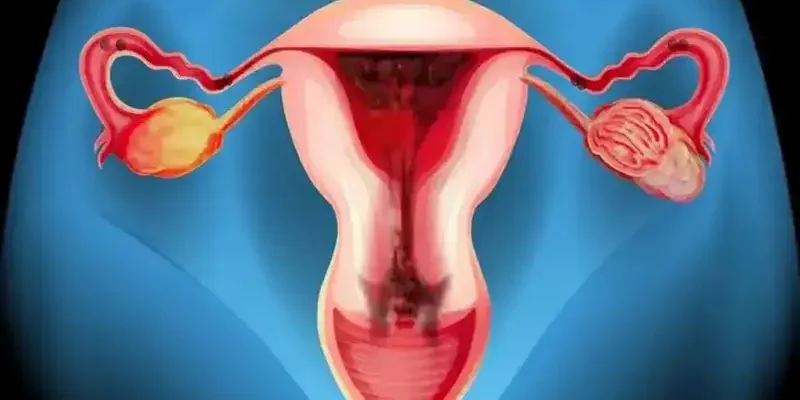
What Should Those With Cervical Insufficiency Do?
Cervical insufficiency, also known as Incompetent Cervix, is the opening or thinning of the cervix during pregnancy without any signs of contraction. In case of conception in risky situations or in pregnant women with a weak cervix between 12 and 22 weeks of pregnancy, the cervix may open earlier than it should. The pregnancy may therefore end in miscarriage. In some pregnancies, premature birth can be encountered in this process until the 32nd week.
Cervical insufficiency can be evaluated through patient history and ultrasonography. If any of the following conditions are found, it is very important to have a cervical examination to take early precautions.
What is Cervical Insufficiency?
Doctors describe cervical insufficiency as a cervix that is weak and can open or dilate before your baby is born. This condition may also be called Incompetent Cervix. The cervix is a tunnel-like opening at the bottom of your uterus. It connects the uterus and vagina, allowing fluids to pass from the uterus and into the uterus. When you are pregnant, a healthy cervix stays long and tightly closed until labor begins. When you are ready to give birth, your cervix thins, shortens, and dilates (opens) so your baby can pass through.
With cervical insufficiency, the cervix dilates too early. It can cause a miscarriage or premature birth in your second or third trimester. As your unborn baby grows, his weight puts pressure on your cervix. This can cause an inadequate cervix to open even if there are no contractions.
Causes of Cervical Failure:
- Having a weak cervical layer
- Previous miscarriage without any cause
- Damage to the cervix due to a previous abortion
- Trauma
- Cervical cancer surgeries
- Biopsy Infection
There may be reasons such as.
What are the Symptoms of Cervical Insufficiency?
Symptoms of cervical insufficiency during pregnancy,
- Increased vaginal discharge
- Vaginal bleeding
- Pain in the groin or abdomen
- High fever or chills
- Rupture of the water sac
There are symptoms such as.
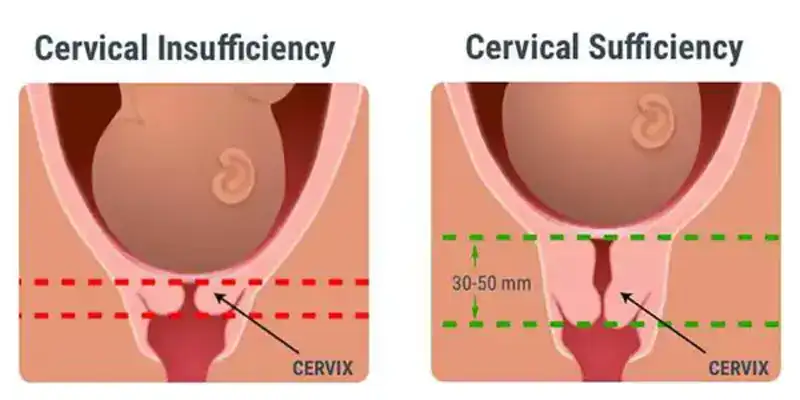
How is cervical insufficiency treated?
When the condition is diagnosed, the cervix can be stitched to prevent conditions such as premature birth and miscarriage that may occur during pregnancy. In this way, under the supervision of a doctor, the birth can take place at the appropriate time in a healthy way.
If you have cervical insufficiency, your doctor will carefully monitor your cervix with an ultrasound or pelvic examination. If they decide you need treatment, they will either perform surgery or prescribe medication. Both can help prevent your cervix from dilating too early so you can carry your baby to term.
Medication for cervical insufficiency
The hormone progesterone not only helps your uterus grow during your pregnancy, it can also prevent contractions from starting. If you are only having one baby, taking progesterone supplements can reduce your risk of miscarriage or premature birth. Your doctor may prescribe progesterone until you are 36 weeks pregnant.
It comes this way:
- Weekly vaccinations if you have had a preterm birth before.
- Vaginal pills if you have a short cervix but have never given birth prematurely.
Surgery for cervical insufficiency
With cervical cerclage, your doctor passes through your vagina and sews your cervix closed. The cerclage helps to strengthen your cervix so that it is less likely to shorten and dilate.
This procedure is done as an outpatient surgery. You will take medicine so that you do not feel any pain during the operation. Your doctor may perform a cervical cerclage early in your second trimester. The stitches will be removed when you are about 36 weeks pregnant or when it is safe to have your baby.
You cannot have this treatment if
- You are carrying more than one baby.
- Your water broke.
You can contact for detailed information:
Instagram : dralpersismanoglu Facebook : OpDrAlperSismanoglu
Cervical Insufficiency, IVF Treatment, IVF, Infertility Treatment,


